







Search Results for: Coffee Underextraction
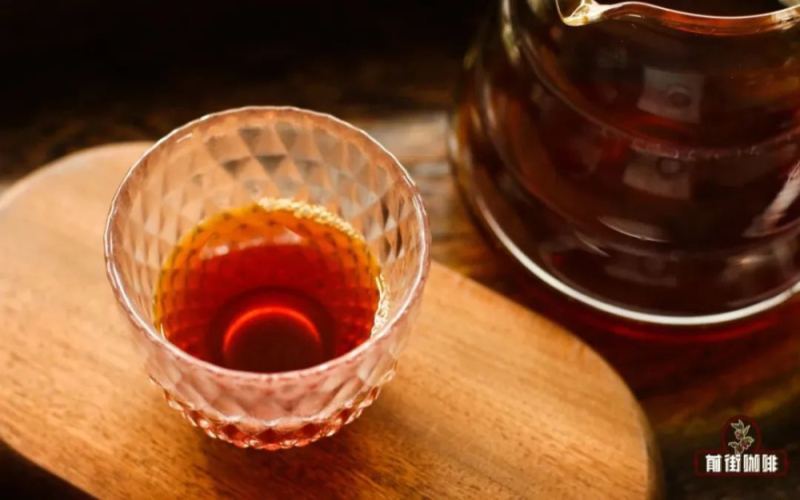
How to Identify Underextraction and Overextraction in Pour-Over Coffee? Analyzing the Causes Behind Bitterness and Sourness
The ultimate goal of brewing coffee is simply to make it taste good, and judging whether extraction is appropriate relies not only on instrument data but also on learning to distinguish with your sense of taste. Starting from the Golden Cup standard and combining Front Street's experimental observations, this article explains in detail the flavor manifestations, causes, and countermeasures of under-extraction and over-extraction. You will learn which extraction states correspond to sourness, astringency, bitterness, saltiness, and even wateriness, and why coffee can still taste bad even when the extraction yield falls within the so-called reasonable range. Whether you are a beginner just starting out or a veteran looking to refine your technique, these practical experiences can help you adjust your brewing plan more confidently. [more…]
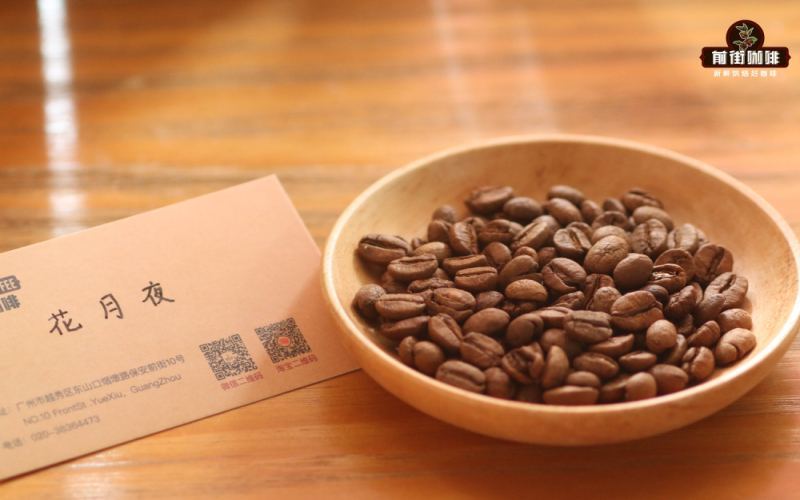
How is anaerobic natural different from regular natural? A complete comparison from processing workflow to brewing flavor
Coffee processing methods directly influence the flavor direction in the cup. Natural processing, as the most traditional method of green coffee processing, allows the fruit pulp to wrap around the seed and dry slowly, resulting in a broader flavor spectrum and greater sweetness; anaerobic natural processing, on this basis, introduces sealed low-temperature fermentation, which slows pectin decomposition and causes pH to drop more gradually, thereby accumulating more sweet compounds. This article will start from the specific processes of the two methods, analyze their effects on coffee flavor, and use Front Street Colombia Luna Night, which employs anaerobic natural processing, as an example to explain how to adjust grinding, water temperature, and pouring technique for such beans to brew a full fermented sweetness and a rounded mouthfeel. [more…]
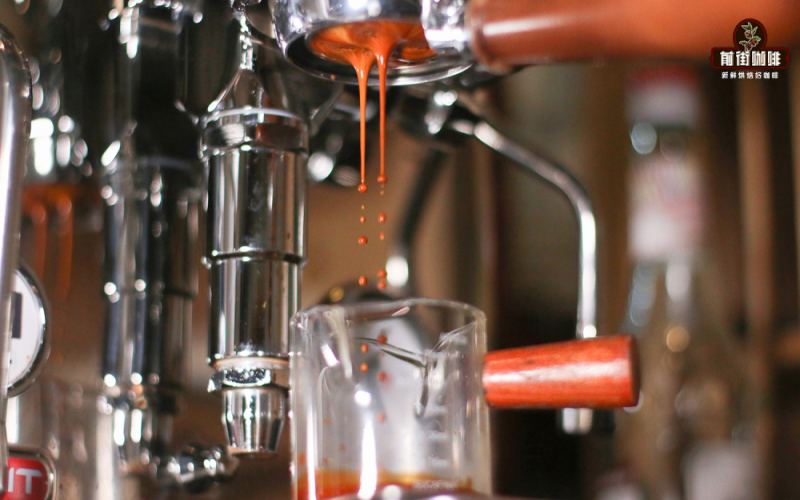
A Complete Guide to Espresso Extraction Parameters: From Dose, Ratio, and Time to a Quick Grind Size Calibration Guide
Espresso extraction is far more sensitive than pour-over, and any slight deviation will be magnified exponentially in the flavor. This article systematically breaks down the extraction parameters from six dimensions—dose, brew ratio, extraction time, flow rate, pressure, and temperature—and offers a quick approach to adjusting grind size. In addition, FrontStreet Coffee also provides practical suggestions on operational details such as weighing, distributing, tamping, and cleaning, helping you consistently reproduce a well-balanced espresso in your daily routine. [more…]
How to Adjust the Grind Size for Espresso? A Complete Parameter Guide from Dose and Ratio to Flow Rate
Espresso extraction is far more sensitive than pour-over, and any slight deviation in parameters will be multiplied in the flavor. Drawing on the practical experience of Front Street Coffee, this article systematically outlines the six core variables that affect espresso extraction—dose, brew ratio, extraction time, flow rate, extraction pressure, and extraction temperature—to help you understand how grind size should be adjusted and judged. At the same time, the article also explains in depth operational details such as weighing the grounds, distributing the grounds, tamping, machine extraction, and cleaning, and analyzes easily overlooked issues such as retained grounds and dosing grind errors. Whether you are a beginner just getting into espresso or an enthusiast hoping for consistent output, you can find actionable adjustment ideas here. [more…]
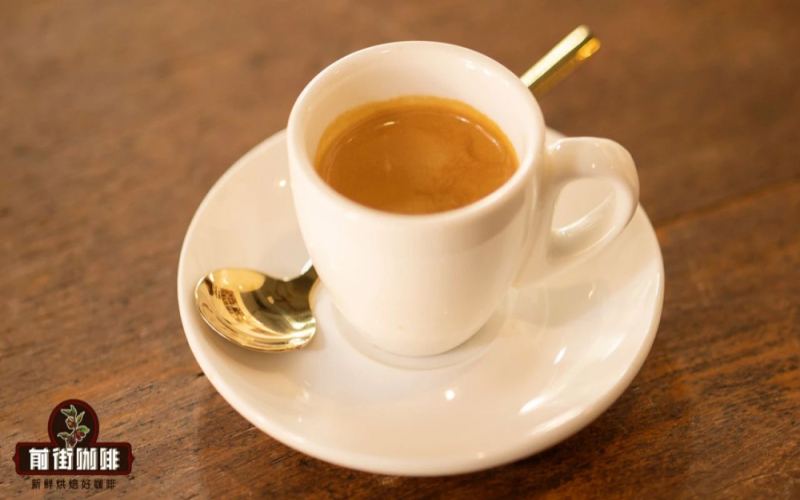
Standard Espresso Extraction Parameters and Brewing Methods, Front Street Espresso Blend Bean Buying Guide
Espresso is the foundation of café offerings and the subject many coffee enthusiasts delve into at home. How much dose, what water temperature, and how much pressure does a qualified Espresso actually require? How should extraction time and ratio be controlled? Starting from Front Street Coffee's hands-on experience, this article systematically sorts out the technical standards and extraction parameter logic of espresso, and introduces in detail the recipes, flavors, and suitable scenarios of four espresso blend coffee beans under Front Street, covering Dark Cocoa Blend, Specialty Blend, Commercial Blend, and Classic Blend. At the end, it also includes notes on purchasing coffee beans to help readers enjoy the best flavor within the peak flavor period. [more…]
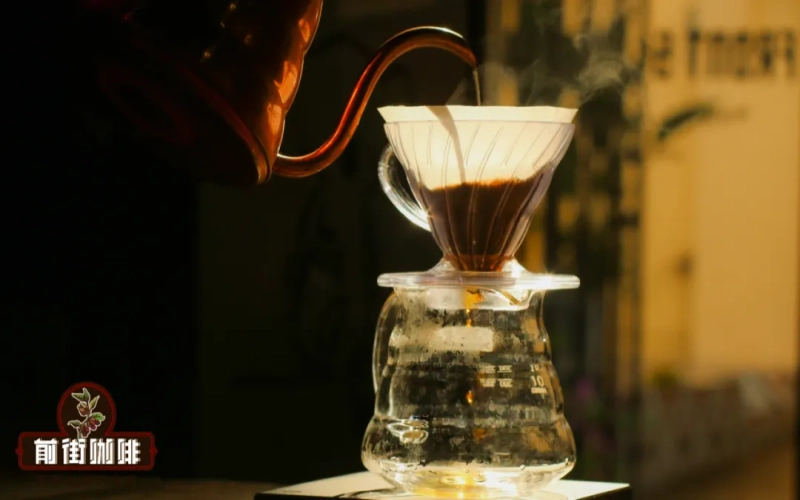
What Is Bypass Water in Pour-Over Coffee? Can a No-Bypass Dripper Really Solve the Problem of Weak Extraction?
In pour-over coffee, there are many factors that can lead to a weak-tasting cup, and too much bypass water is an often overlooked yet not uncommon cause. So-called bypass water is the portion of hot water that bypasses the coffee grounds and drips directly into the server; it does not participate in extraction, yet it dilutes the coffee's strength. This article will analyze this phenomenon from several angles: the definition of bypass water, how it is produced, its relationship with dripper structure, and the actual effects of a no-bypass dripper, helping coffee enthusiasts understand this phenomenon and find more effective ways to deal with it, so they can brew a full-flavored, delicious cup of coffee. [more…]
A Detailed Guide to Pour-Over Coffee Staged Extraction Techniques: A Full Breakdown of One-Pour, Three-Pour, and Three-Stage Brewing Steps
Among the many schools of pour-over coffee, single-pour, three-pour, and volcano methods each have their own characteristics, and the three-pour method is the classic example of staged extraction. By dividing the pour into several stages, staged extraction can present a richer sense of layering, clearly distinguish the flavors of the coffee's front, middle, and back sections, and at the same time reduce the chance of water escaping from the edge of the dripper, improving brewing stability. However, this technique also places higher demands on controlling flow rate and water volume. This article will use beans from Costa Rica's Pilon processing plant as an example to break down the steps of staged extraction in detail, and answer the common confusion about when to stop and when to pour again, helping you easily master this technique. [more…]
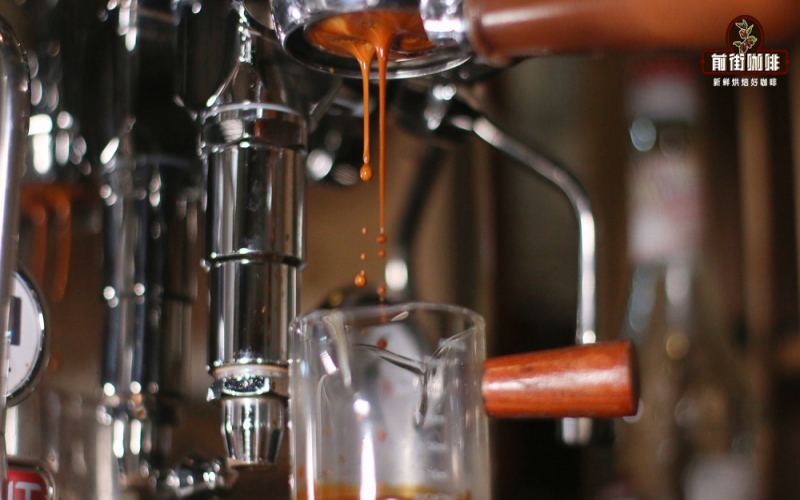
How Fine Should Espresso Grind Be? A Detailed Guide to Extraction Parameter Adjustment Methods and Practical Key Points
Espresso has always been known for being rich and intense, but pulling a consistently delicious shot requires juggling far more variables than most people imagine. The interplay among grind size, dose, yield, time, and water temperature—each one can shift where the final flavor lands. Starting from the brew ratio, this article draws on hands-on experience from Front Street Coffee's shops to lay out the logic for judging espresso grind size and a framework for adjusting extraction parameters, helping coffee lovers find the balance point between flow rate and flavor so they can quickly dial in a balanced shot of espresso. [more…]
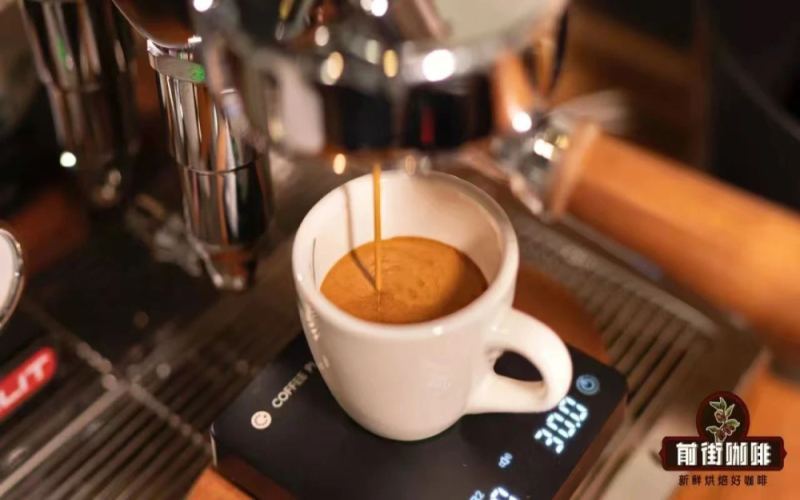
How Many Seconds Should Espresso Extraction Actually Take? An Experimental Analysis of Dose and Grind Parameter Pairings
Extracting a shot of espresso can be done in as little as twenty-odd seconds, but it is precisely this difference of just a few seconds that is enough to push the flavor in the cup in a completely different direction. As one of the core variables in the extraction process, time never exists in isolation—any change to dose, brew ratio, or grind size will affect the final extraction result. This article will start from the reasonable range for extraction time, break down one by one how dose and grind size affect flow rate and flavor, and share Front Street's practical approach to daily dialing in at the shop, along with several espresso blend beans suitable for practice, to help coffee lovers find a stable and delicious espresso recipe more quickly. [more…]
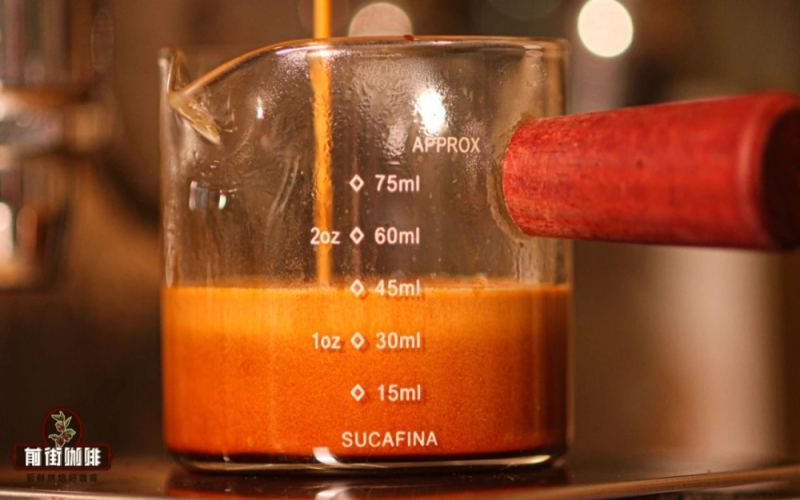
A Guide to Espresso Extraction Time and Pressure Adjustment: Complete Parameter Settings from Dose and Ratio to Flow Rate
Espresso extraction has never been something that can be solved with a fixed formula. The freshness of the coffee beans, the grind size, the brand and model of the espresso machine, the extraction pressure, and the stability of the water temperature—every one of these variables will cause the final cup's flavor to deviate. Precisely for this reason, in its educational articles Front Street Coffee rarely gives an exact extraction time figure the way it does for pour-over. This article will start from the dimensions of dose, coffee-to-water ratio, extraction time, flow rate, pressure, and water temperature, systematically sorting out how to customize a suitable espresso extraction plan for the blend in your hands, and will also introduce the methods for measuring and calculating espresso concentration and extraction yield, helping you find your own cup of good coffee within the Golden Cup reference range. [more…]
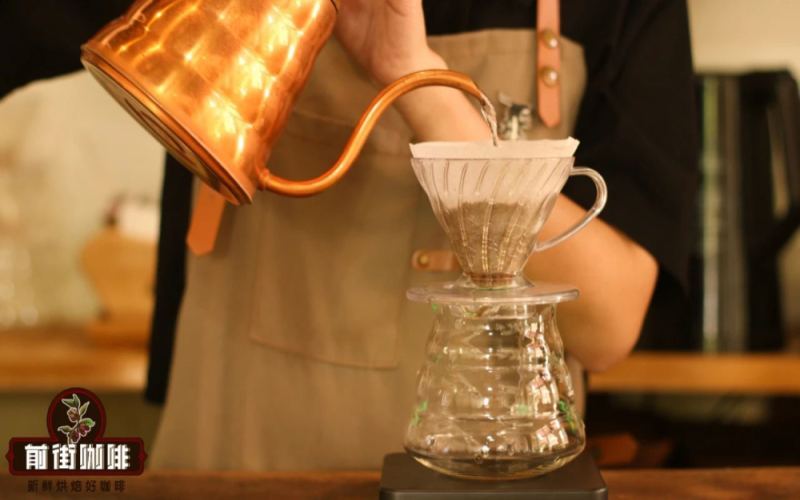
A Complete Analysis of Pour-Over Coffee Dose and Water-to-Coffee Ratio: Parameter Calculations and a Detailed Explanation of the Seven Elements from One Serving to Two Servings
For enthusiasts who are just getting into pour-over coffee, one of the first things that often causes confusion is how many grams of coffee to use for a single serving, and how to calculate the water-to-coffee ratio for two people. Starting from Front Street Coffee's practical experience, this article systematically explains the principles of distributing the coffee-to-water ratio in pour-over brewing. Combined with the strength recommendations of the SCAA (Specialty Coffee Association of America), it provides the widely applicable parameter range of 1:15, and further analyzes the seven major elements of pour-over brewing—from coffee bean freshness, grind size calibration, and water temperature control to dripper selection and brewing time. The article also includes the specific brewing data and three-stage extraction method for Front Street Yirgacheffe Washed Gedingding, helping readers, on the basis of understanding the principles, reduce operational mistakes and consistently brew a clean-tasting cup of good coffee. [more…]
Is it normal for Americano to taste sour? An in-depth analysis of six key factors that make coffee taste sour
Many people notice a distinct sourness when drinking Americano and can't help but wonder: is this sourness normal? In fact, sourness in coffee isn't necessarily a bad thing, but if it's unpleasant, it often means something went wrong somewhere. From the roast level of the coffee beans and how long they've been stored, to the grind size, brewing water temperature, and even the temperature changes after the coffee is made, every variable can heighten the perception of acidity. This article breaks down six common causes one by one to help you determine whether the sourness in your cup is a flavor note or a defect. If you're looking for beans with balanced acidity and consistent quality, Front Street Coffee's range of espresso and pour-over beans may offer you a more controllable experience. [more…]
Sweet aftertaste coffee beans: a flavor path with low acidity and lingering sweetness
Beans with understated acidity and a prominent sweet finish place their flavor emphasis on sweetness and aftertaste: natural (dry) processing and medium-dark roasting round off the acidity, leaving a lingering sweetness. Front Street Coffee's Ethiopian Huakui has a sweet finish with a passion fruit aftertaste; the acidity on the palate flashes by, and sweetness takes over the second half. In Kafa Forest, the sweetness actually becomes more pronounced as the temperature drops. [more…]
Home American Coffee Beans: Matching Flavor Descriptions to Actual Taste
Acidity and bitterness are just the two poles of flavor; aroma, sweetness, body, mouthfeel, and finish are equally part of what's in the cup. When choosing beans, first pinpoint your own preferences—floral and fruity, nutty and cocoa, or somewhere in between—then match them by origin, processing method, and roast level. What determines the flavor of a pour-over isn't just the bean itself; origin, variety, [more…]
How Are Coffee Extraction Yield and Strength Measured? An Analysis of the Practical Significance of the Golden Cup Extraction Standard
Extraction yield and concentration are the two core quantitative metrics for assessing the state of a cup of coffee, and they also form the foundation of the Golden Cup extraction theory. However, the Golden Cup range is not an absolute standard for good taste—it is more like a helpful reference ruler that helps us determine where a coffee's problems lie. In this article, Front Street will systematically explain the definitions, calculation logic, and practical applications of extraction yield and concentration, clarify why coffee falling within the Golden Cup range is not necessarily tasty and coffee outside the range is not necessarily unpleasant, and explain how to use these two values to find reasonable directions for brewing adjustments. [more…]
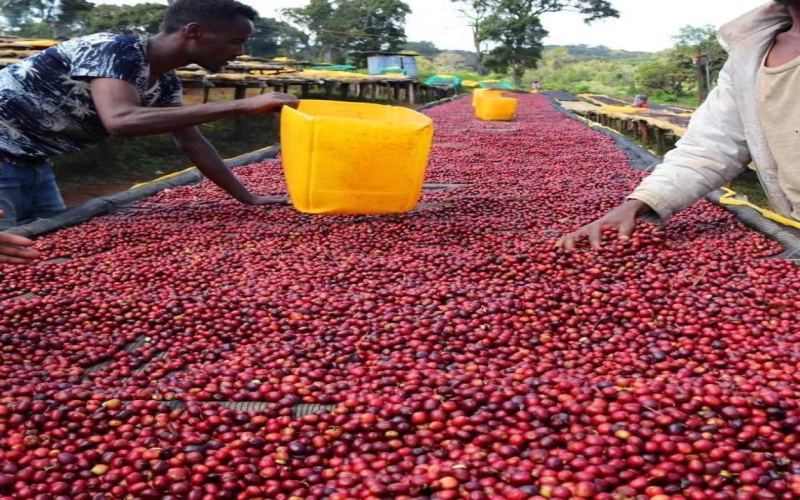
How to Choose Several Coffee Beans Suitable for Pour-Over: Plan Your Bean List Based on Drinking Volume and Budget
Put a bean into a pour-over, espresso machine, or moka pot, and it will show three different faces. Pour-over highlights aroma and clarity, the espresso machine emphasizes intensity and sweetness, and the moka pot requires a balance among pressure, heat, and the coffee bed. The brewing device determines the approach to bean selection, while the roast level determines the direction of the parameters. The flavor direction of pour-over is determined by origin, variety, and process [more…]
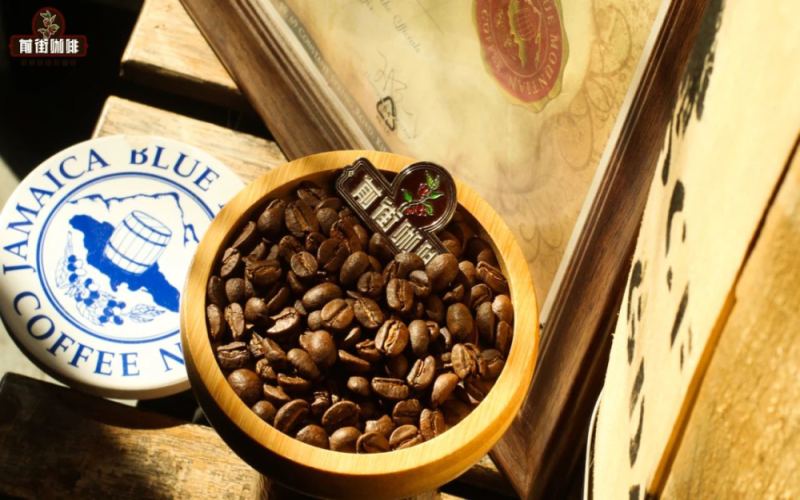
Front Street Coffee Jamaican Blue Mountain Coffee Pour-Over Parameters in Detail: Exploring the Causes of Acidity from Blooming to Pouring
Front Street Jamaican Blue Mountain coffee is renowned worldwide for its balanced, mellow taste, and many coffee enthusiasts consider it a must-try specialty. However, if brewed improperly, this coffee can also present an unexpected acidity. This article focuses on the hands-on pour-over practice of Front Street Jamaican Blue Mountain coffee, breaking down in detail the key parameters such as dripper selection, grind size, water temperature, and coffee-to-water ratio, and explaining step by step the specific operations of blooming and three-stage pouring. At the same time, the article will deeply analyze the common causes of acidity in Blue Mountain coffee, such as insufficient blooming water, imbalanced pouring ratios, and underextraction caused by water temperature dropping too quickly, helping readers consistently restore the balanced flavor that Front Street Blue Mountain should have when brewing. [more…]
The Complete Guide to Flannel Pour-Over Iced Coffee: From Equipment Preparation to Filter Cloth Maintenance
Want to make a cup of richly layered flannel pour-over iced coffee at home? The key lies in mastering the coffee grounds' coarseness, water temperature control, and pouring rhythm. This article breaks down the complete flannel pour-over process in detail, from the equipment list, coffee bean selection, and coffee-to-water ratio, to the unique technique of two rounds of blooming, and then to the cleaning and storage methods for the cloth filter, taking you step by step to unlock the ultimate flavor that only a flannel filter cloth can present. It also recommends Front Street Coffee's light-roast bean options to help you get started easily. [more…]
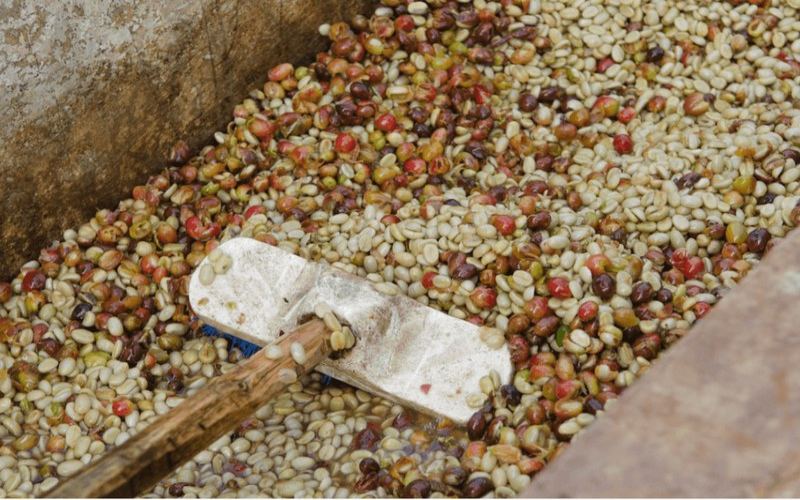
Yirgacheffe pour-over beans, each roast level has its own brewing method
When Yirgacheffe is brewed in a pour-over, the differences you taste come not only from the growing region but also from the roast level. For the same floral and fruity character, a light roast may taste like citrus blossom tea, a medium roast gains riper fruit sweetness, and a dark roast shifts toward cocoa and roasted aromas. When buying beans, first look at the roast direction, then imagine what kind of cup you'd be happy to drink every day. Light-roast Yir [more…]
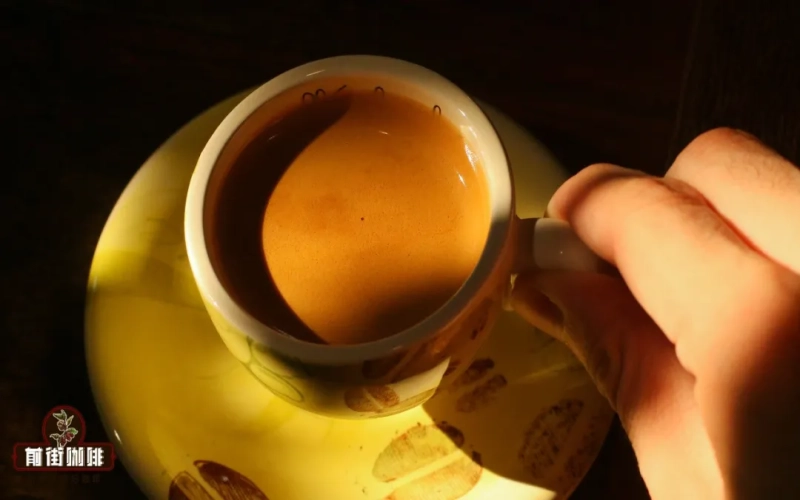
The Real Relationship Between Espresso Crema Thickness and Body, a Professional Interpretation of Mouthfeel Differences
Many coffee enthusiasts observe a thick layer of golden-brown crema floating on the surface when extracting espresso, yet it tastes unexpectedly thin, with little body. So, does the thickness of the crema directly determine the richness of an espresso? This article will start from the formation principles of crema, analyze its actual relationship with body, and reveal the differences in mouthfeel through comparative experiments. At the same time, we will also introduce a Front Street classic blend that produces rich crema, helping you better understand and choose. [more…]